Eating on GLP-1s
How to Nourish Your Body When Your Appetite Is Low
For many people, starting a GLP-1 medication can bring a welcome sense of relief.
Hunger quiets. Cravings may decrease. Portions become smaller. After years of feeling as though food demands an enormous amount of attention, eating can suddenly feel simpler.
But that same appetite suppression can introduce a challenge that is easy to overlook:
When you aren't very hungry, it can become surprisingly easy not to eat enough.
Eating less and nourishing your body well aren't necessarily the same thing.
Your body still needs protein, vitamins, minerals, fluids, and enough overall nutrition to support energy, strength, muscle, and everyday health — even when your appetite isn't reminding you to provide them.
When hunger changes, learning to nourish yourself intentionally becomes an important part of using GLP-1 therapy well.
When Hunger Isn't Telling the Whole Story
One of the reasons GLP-1 medications can be so effective is that they change the experience of hunger and fullness. For some people, that change can be significant.
A meal you once finished may suddenly feel like too much. You may get busy and realize hours later that you haven't eaten. Foods that once sounded appealing may no longer interest you very much.
That can be helpful when you're trying to lose weight.
But smaller portions can also mean less protein and fewer essential nutrients if we're not paying attention to what makes it onto the plate.
Over time, inadequate nutrition may show up in ways that have little to do with hunger: low energy, weakness, reduced exercise tolerance, difficulty maintaining strength, or simply not feeling as well as you expected while losing weight.
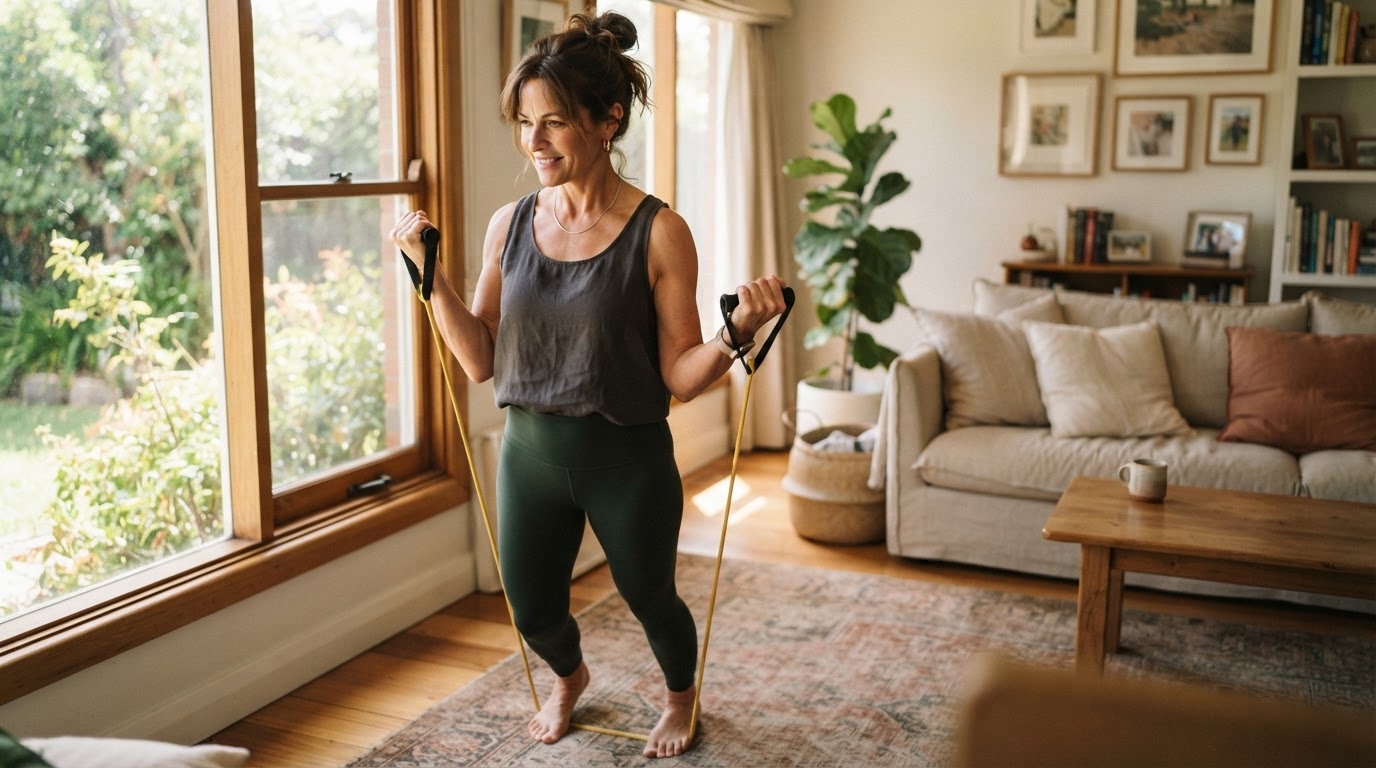
And maintaining muscle deserves particular attention during weight loss. It becomes increasingly important as we age, but preserving strength and lean body mass matters at every age.
That's why eating on a GLP-1 can require a slightly different mindset.
How to Nourish Your Body When Appetite Is Low: 6 Practical Ways
When portions become smaller, every bite doesn't need to be perfect.
But it helps when more of those bites count.
Rather than forcing large meals when you don't want them, think about eating strategically — choosing foods and routines that help you get meaningful nutrition from the amount you comfortably eat.
1. Put Protein First
When appetite is limited, start with the food you most want to make room for.
That often means starting with protein.
Eggs, Greek yogurt, cottage cheese, fish, chicken, lean meats, tofu, beans, and other protein-rich foods can help support muscle while you're losing weight.
You don't necessarily need a huge serving at once. Spreading protein across meals and snacks can make it easier to get enough over the course of the day.
Think protein first, rather than hoping you'll have room for it at the end.
2. Think Smaller — But Complete
A large plate of food may suddenly look completely unappealing.
That's okay.
Instead of forcing yourself to eat the way you did before starting medication, try building smaller meals that still have some nutritional structure.
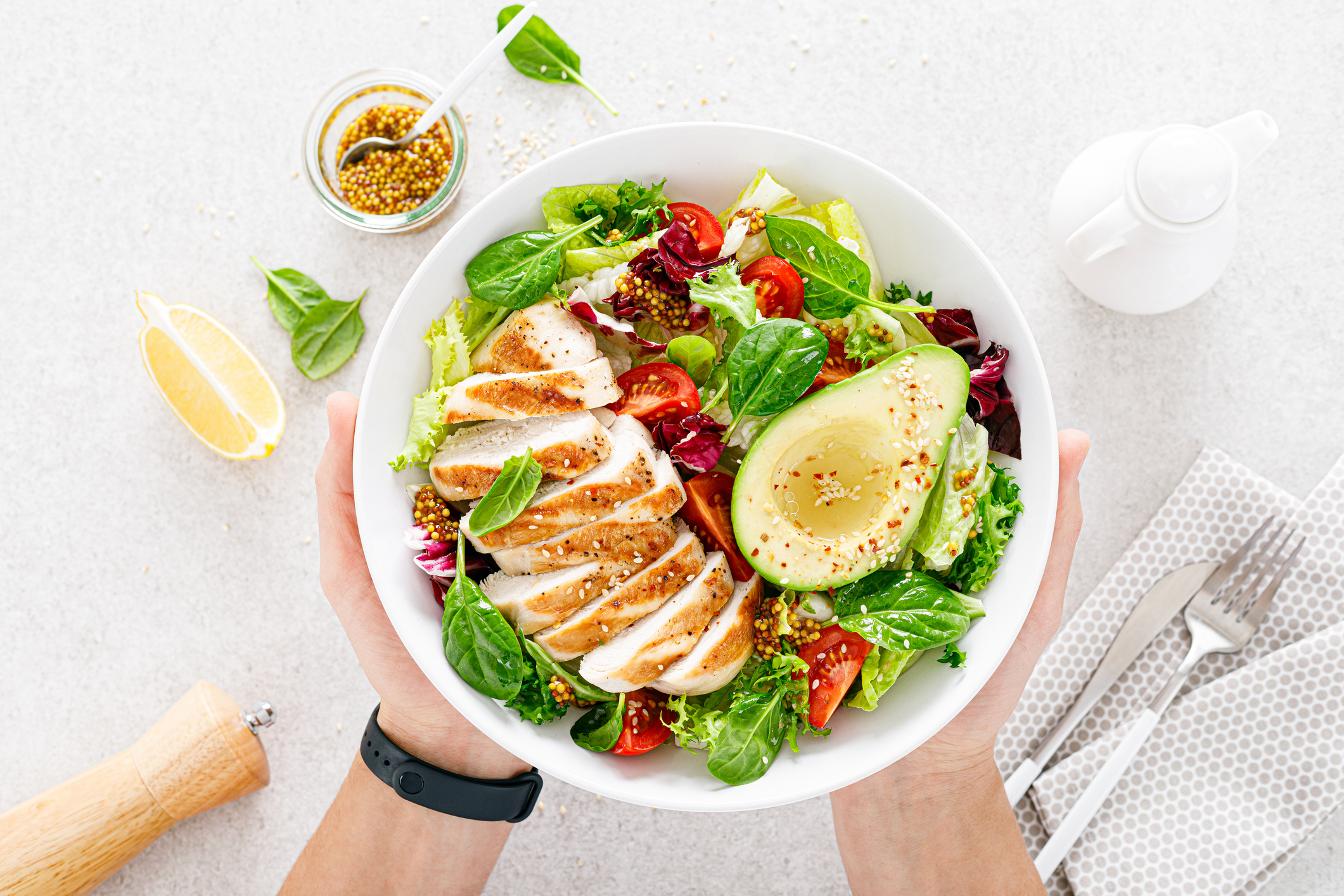
A modest portion of protein, some produce or another source of fiber, and a healthy fat can make a small meal surprisingly substantial from a nutritional standpoint.
Smaller doesn't have to mean nutritionally incomplete.
3. Give Eating a Little Structure
GLP-1 medications can make hunger cues much quieter than they used to be.
That means waiting until you're genuinely hungry may sometimes result in realizing late in the day that you've barely eaten.
A loose eating schedule can help.
It doesn't need to be rigid or revolve around the clock. Simply having a general rhythm for meals and nourishing snacks can provide some structure when your appetite isn't providing much of one.
4. Choose Foods That Do More With Less
When you aren't eating very much, nutrient density becomes especially useful.
Think about foods that provide meaningful nutrition without requiring a huge portion: eggs, Greek yogurt, cottage cheese, fish, lean meats, beans, lentils, nuts and seeds, fruits, and vegetables.
And pay attention to what feels good.
GLP-1 medications can change how certain foods or portion sizes feel. Some people find smaller portions, simple preparations, or softer foods easier to tolerate.
The best nutrition strategy is one you can actually eat, tolerate, and enjoy.
5. Make Snacks Work a Little Harder
There's nothing wrong with a snack.
But when appetite is already low, snacks can sometimes take up the limited space you have for food without providing very much nutrition.
So give your snacks a job.
Instead of automatically reaching for crackers or a piece of fruit by itself, consider pairing them with something containing protein — a little cheese, Greek yogurt, cottage cheese, nuts, or another option you enjoy.
A snack can become a small opportunity to nourish yourself rather than simply something to nibble on.
6. Pay Attention to More Than the Scale
When the scale is moving in the direction you hoped, it's easy to assume everything is going exactly as planned.
Your body may be giving you other information.
How is your energy?
How do you feel during exercise?
Are you maintaining your strength?
Can you comfortably manage the activities of everyday life?
How do you feel overall?
Weight is one measure of progress. It isn't the only one.
If you're consistently struggling to eat, experiencing significant weakness or dizziness, or noticing other concerning symptoms while taking a GLP-1 medication, talk with your healthcare provider. Your treatment should support your overall health — not simply a lower number on the scale.
One Thing to Take With You
When your appetite gets quieter, nourishment needs to become more intentional. Eating well isn't working against your progress — it's part of protecting it.
— Your NovaPath Care Team