Sleep Is Not Optional
How Poor Sleep Undermines GLP-1 Results in Women After 45
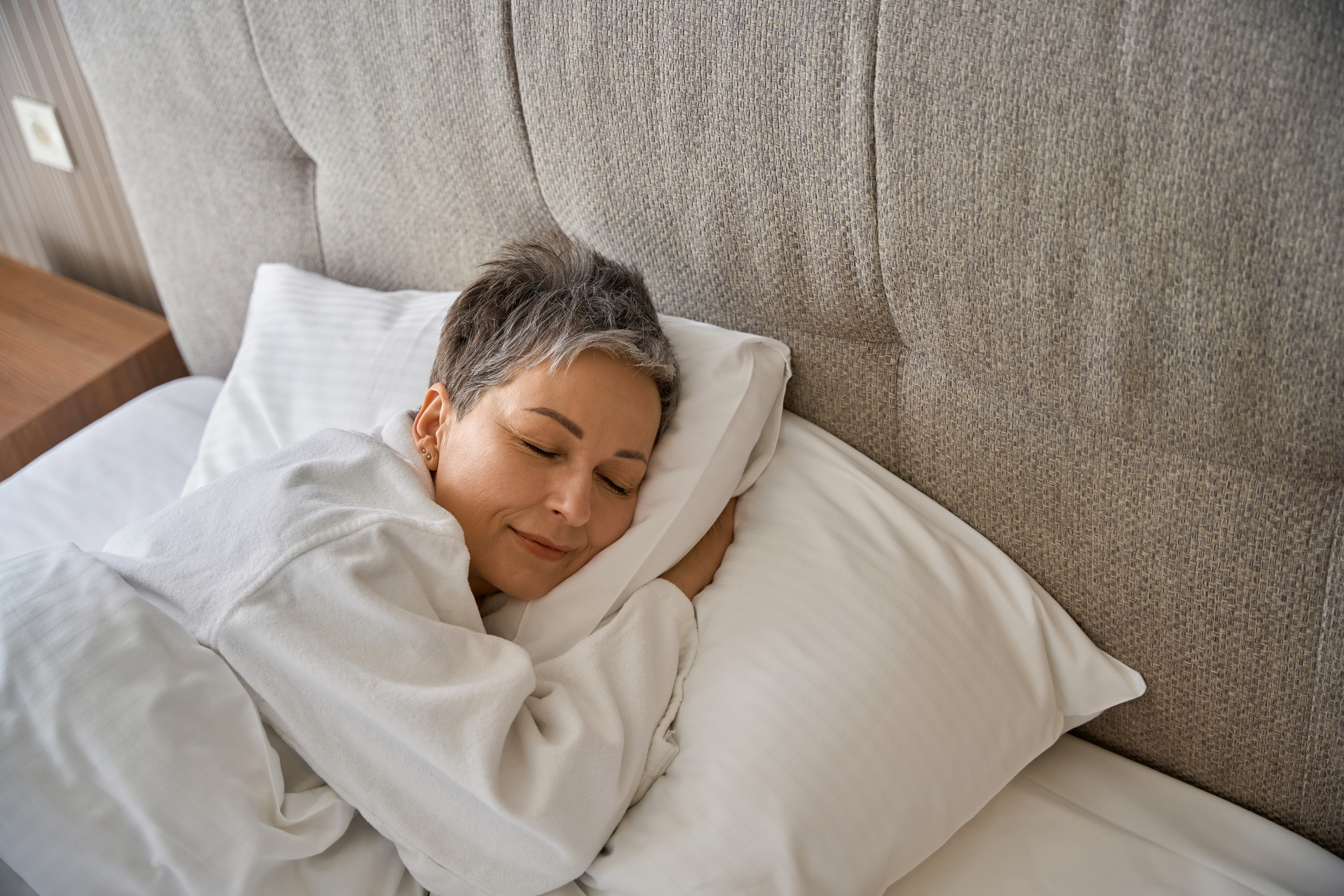
For many women over 45, GLP-1 medications can feel like a long-awaited breakthrough. Appetite quiets, cravings ease, and weight loss finally becomes possible after years of effort.
But there is one factor that can quietly undermine these benefits, even when medication, nutrition, and exercise are in place: sleep.
Sleep is not simply rest. It is a core regulator of hormones, metabolism, blood sugar, and recovery.
In midlife women, where hormonal shifts already place added strain on the body, poor sleep can significantly blunt the effectiveness of GLP-1 medications and make results harder to achieve and maintain.
How Poor Sleep Disrupts Appetite Hormones and Metabolism
Sleep plays a central role in regulating hunger and fullness hormones. Inadequate or fragmented sleep increases ghrelin, the hormone that stimulates appetite, while lowering leptin, the hormone that signals satiety.
This hormonal imbalance makes it harder to recognize fullness cues, even when using GLP-1 medications.
Poor sleep worsens insulin resistance and elevates cortisol — encouraging the body to store fat rather than burn it, particularly around the abdomen.
Poor sleep also worsens insulin resistance, encouraging the body to store fat rather than burn it. Cortisol levels rise with sleep deprivation, further promoting fat storage, particularly around the abdomen. Over time, this creates a metabolic environment that works against weight loss and overall health, regardless of medication use.
The Impact of Poor Sleep on GLP-1 Effectiveness
GLP-1 medications support appetite regulation and blood sugar control, but their real-world effectiveness depends heavily on how well the body is functioning day to day.
When sleep is consistently poor, many women notice increased fatigue, reduced motivation to move or exercise, and greater difficulty maintaining healthy routines. This makes it harder to stay consistent with nutrition, physical activity, and overall self-care, even when appetite is reduced.
Poor sleep also interferes with muscle recovery and preservation during weight loss, increasing the risk of losing lean mass rather than fat. Over time, this can slow metabolism, reduce strength, and make weight maintenance more challenging.
In practical terms, sleep deprivation weakens adherence, recovery, and long-term sustainability, reducing the overall return on investment of GLP-1 therapy.
Supporting Sleep to Improve Results
Improving sleep does not require perfection, but it does require consistency and the right strategies.
- Consistent Rhythms Establish regular sleep and wake times to reinforce circadian cortisol and melatonin cycles.
- A Calming Wind-Down Create a predictable evening buffer that signals to your nervous system it is safe to transition into rest.
- Evening Light Hygiene Manage screen exposure and bright overhead lighting in the two hours before bed.
- Midlife-Specific Factors Address nighttime awakenings, bedroom temperature regulation, stress, caffeine cutoffs, and menopause-related sleep disruptions.
Treating sleep as a foundational part of your GLP-1 treatment plan, rather than an afterthought, can significantly improve both short-term results and long-term sustainability.
The Bottom Line
Sleep is a foundational part of metabolic and hormonal health for women over 45, and it plays a critical role in how well GLP-1 medications work. Without consistent, high-quality sleep, progress can stall even when nutrition and exercise are well managed.
Focusing on practical sleep hygiene habits creates the conditions your body needs to regulate appetite, support glucose control, and protect long-term health. When sleep and lifestyle changes work alongside medication, results become more sustainable, more empowering, and far more likely to last beyond the treatment itself.
Sleep is not a luxury. It is metabolic medicine.
One Thing to Take With You
Sleep is not a luxury. It is metabolic medicine. When sleep and lifestyle changes work alongside medication, results become more sustainable, more empowering, and far more likely to last beyond the treatment itself.
— Your NovaPath Care Team
Ready to take the next step?
More from NovaTalk

Give Your 2027 Goals an October Start
You don't need to turn the next few months into a deadline for transforming yourself. You can use them as room to begin. Your 2027 goals deserve time, attention, and support — and October gives you space for all three.
Read More
Burnout and Weight Management
When weight management feels harder while you're depleted, that experience deserves understanding. Stress, sleep, appetite, and daily routines are connected — and your care should make room for that whole picture.
Read More